Understanding Keloids

Learn how keloid scars develop and why they may grow beyond the original injury.

About Keloids
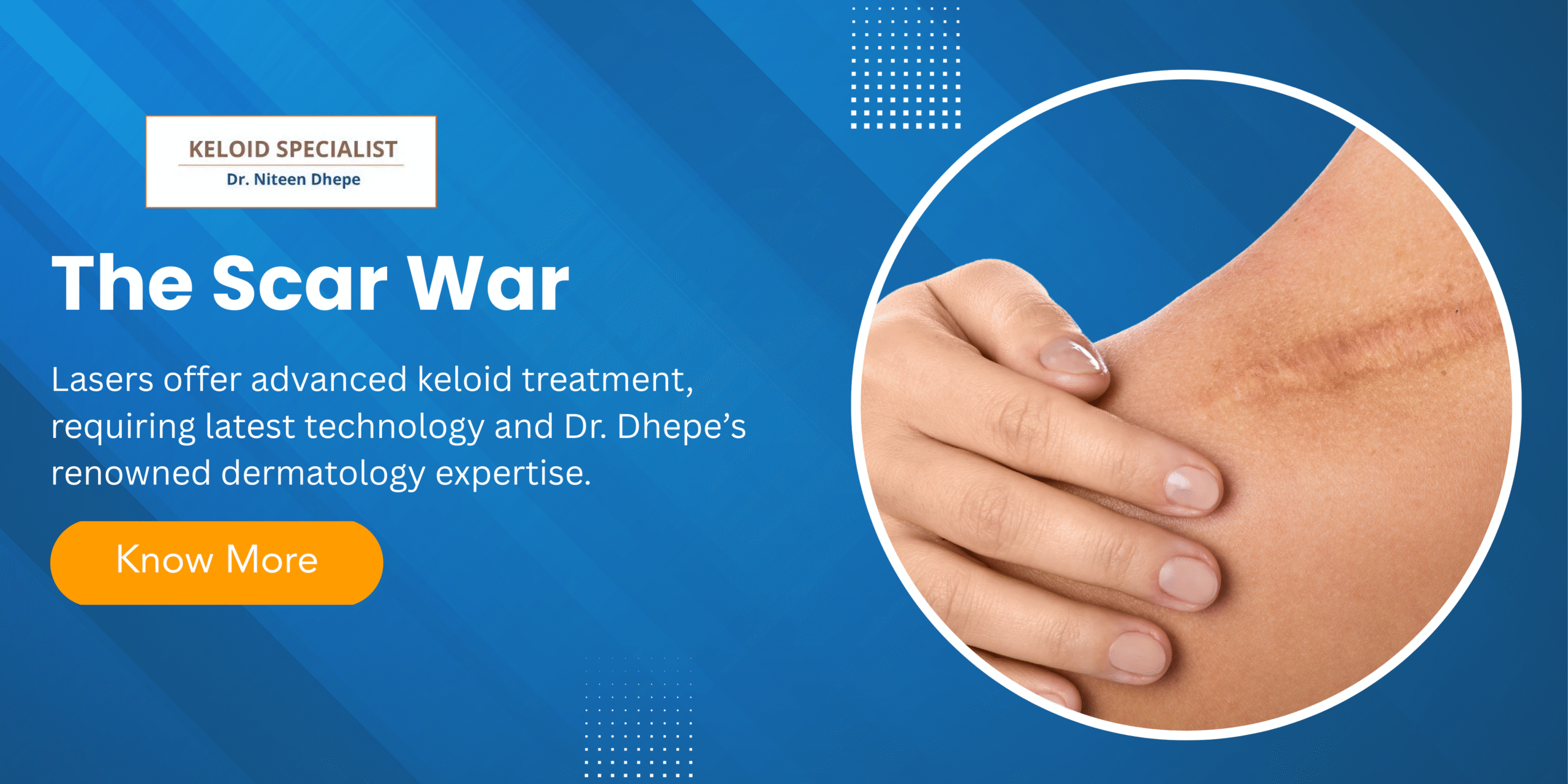
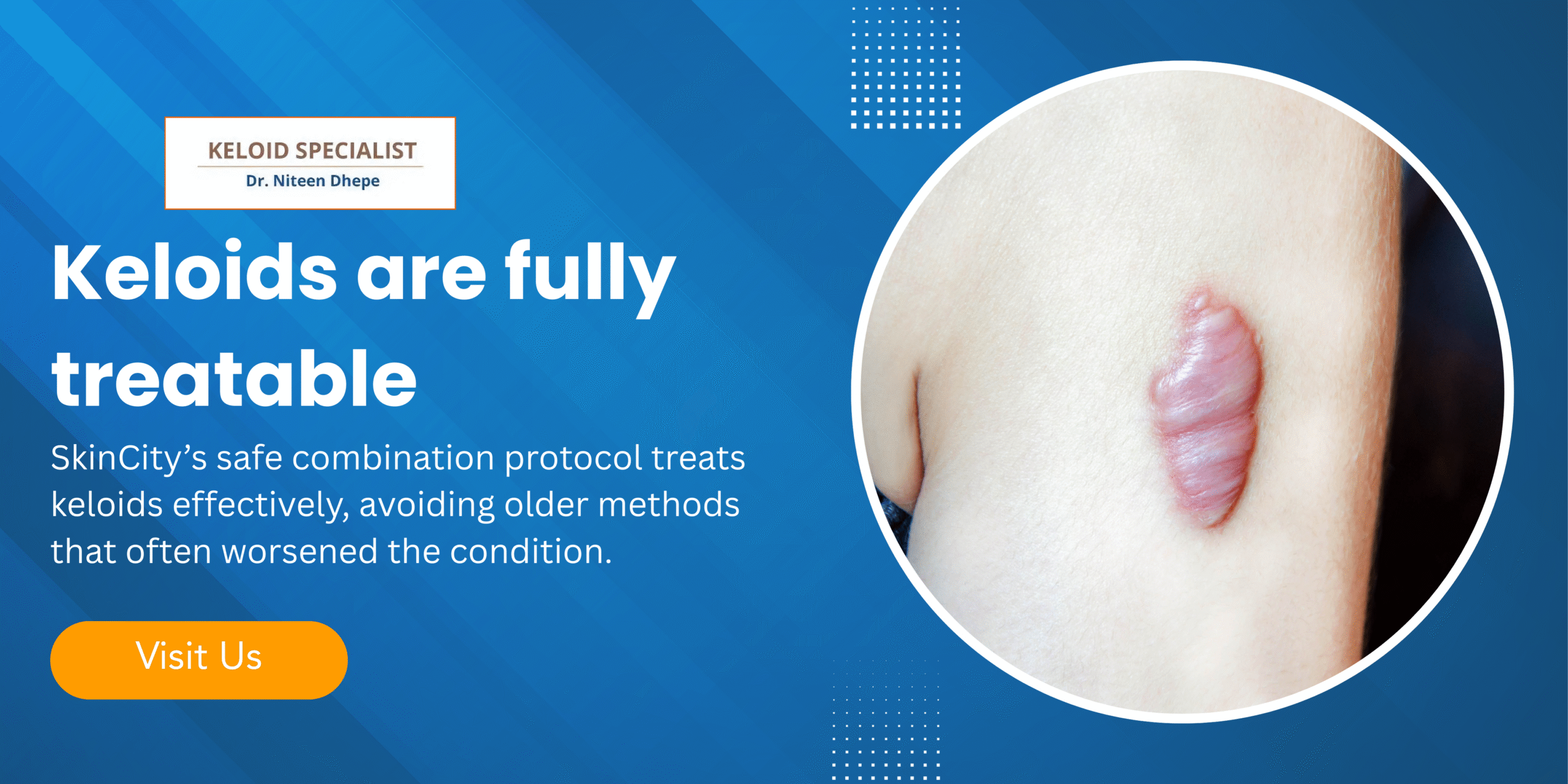
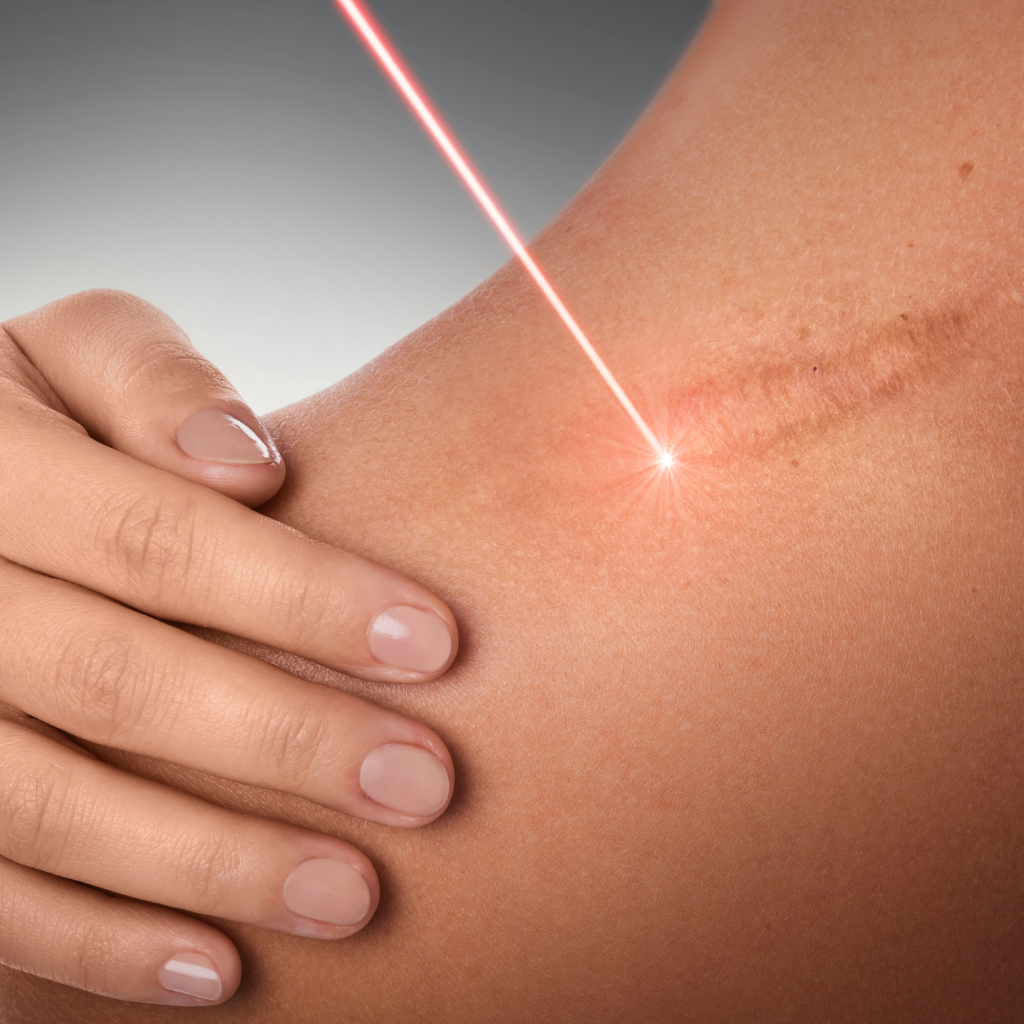
Close-up of a raised scar

Types Of Keloids

Ear keloid

Keloids enlarge on ears; surgery distorts pinna shape. Non-surgical combo protocol reduces keloids while preserving the ear’s natural contour.

Facer keloid

Face has hair and oil glands, triggering keloids. Mustache and beard keloids need urgent care. Steroids worsen acne and keloids.

Neck keloid

Neck movement and beard hair can cause keloids on burn scars; laser beard hair removal is often necessary to prevent their formation.

Chest keloid

Male chest hair and acne, and female breast traction, trigger issues; managing factors is crucial, with laser hair reduction as supportive treatment.

Shoulder keloid

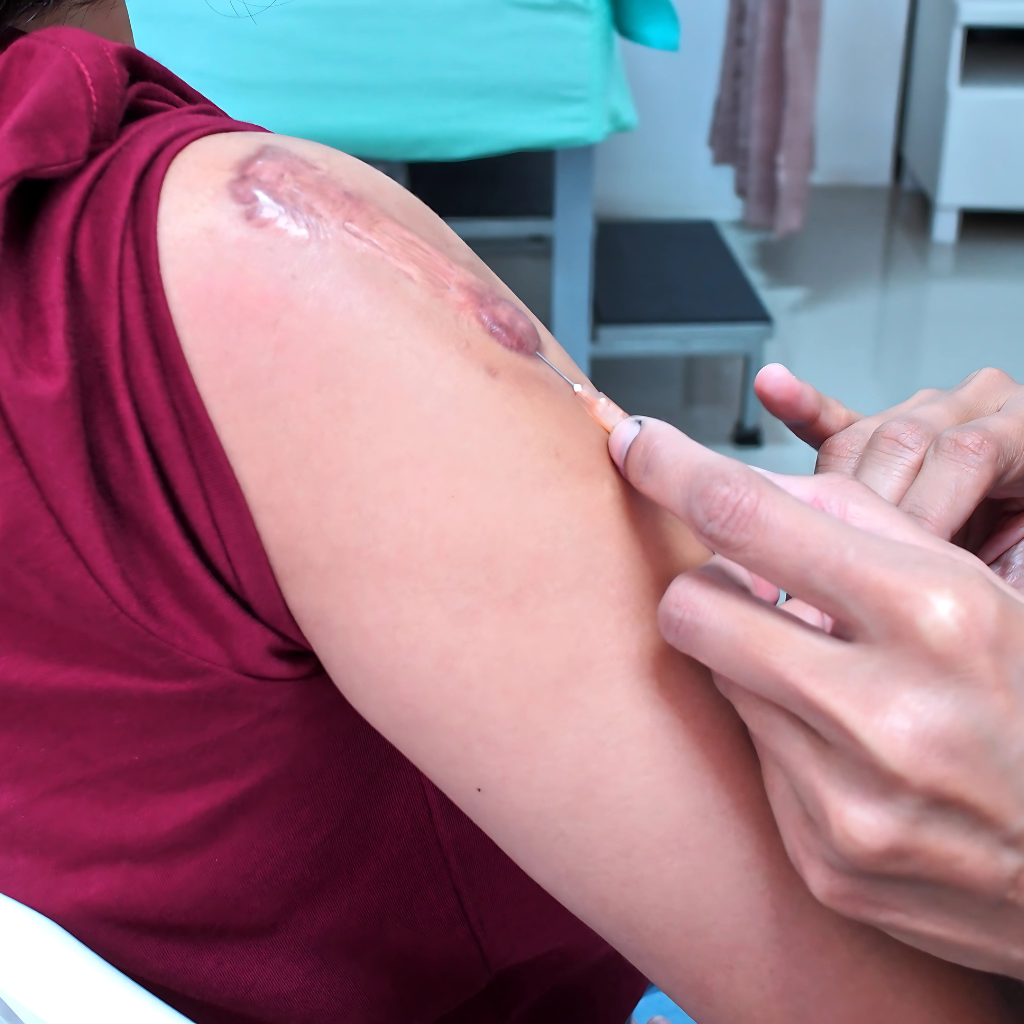
Old BCG vaccine scars may turn into keloids many years later, with traction serving as an important trigger factor for their development.

Scalp keloid

Acne on the back of the neck or scalp can form keloids, called Acne Keloidal Nuchae, sometimes requiring complete removal of affected scalp.

Our Treatments

Keloid Chemotherapy

Some medicines are injected into keloids by clinicians. Suitability and side effects depend on the medicine and the individual scar.

Creams

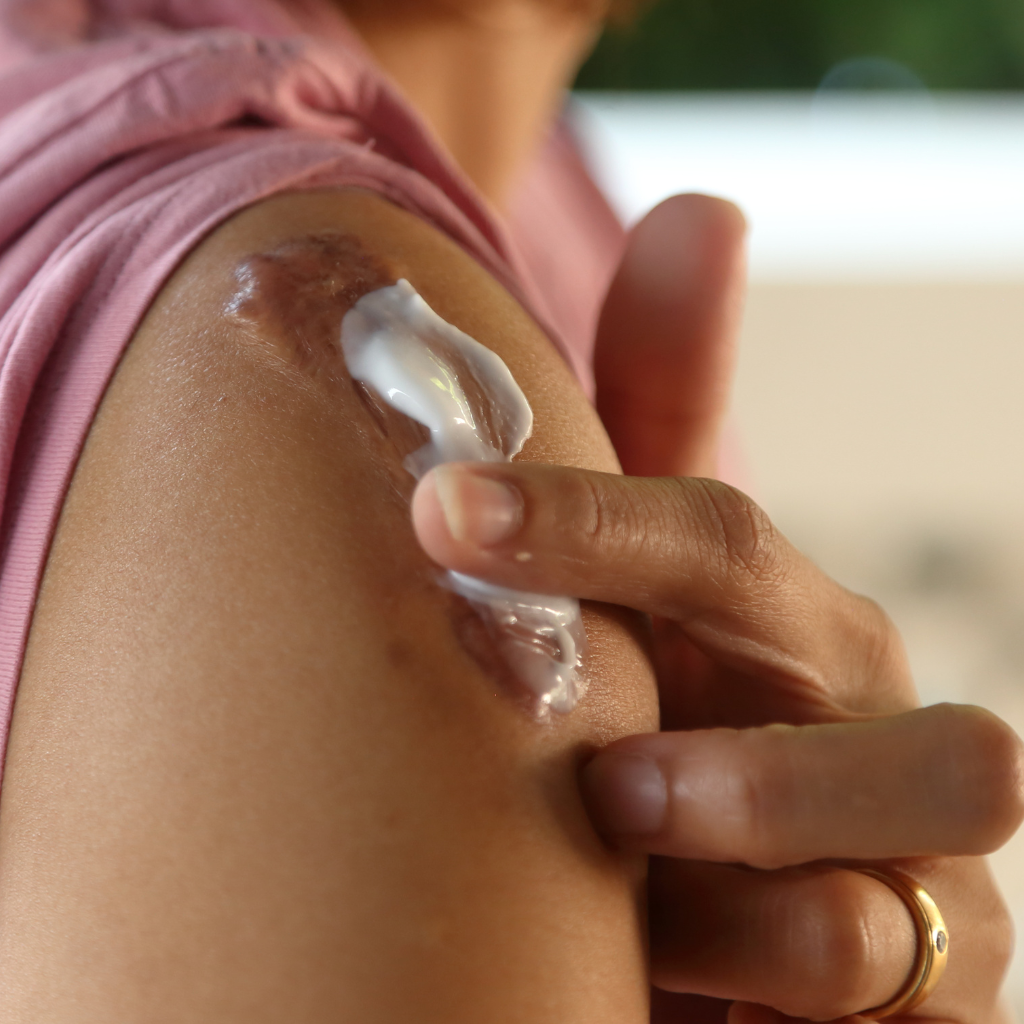
Silicone gels and sheets are among the options used in scar care. Ask a clinician about their limitations and possible skin irritation.

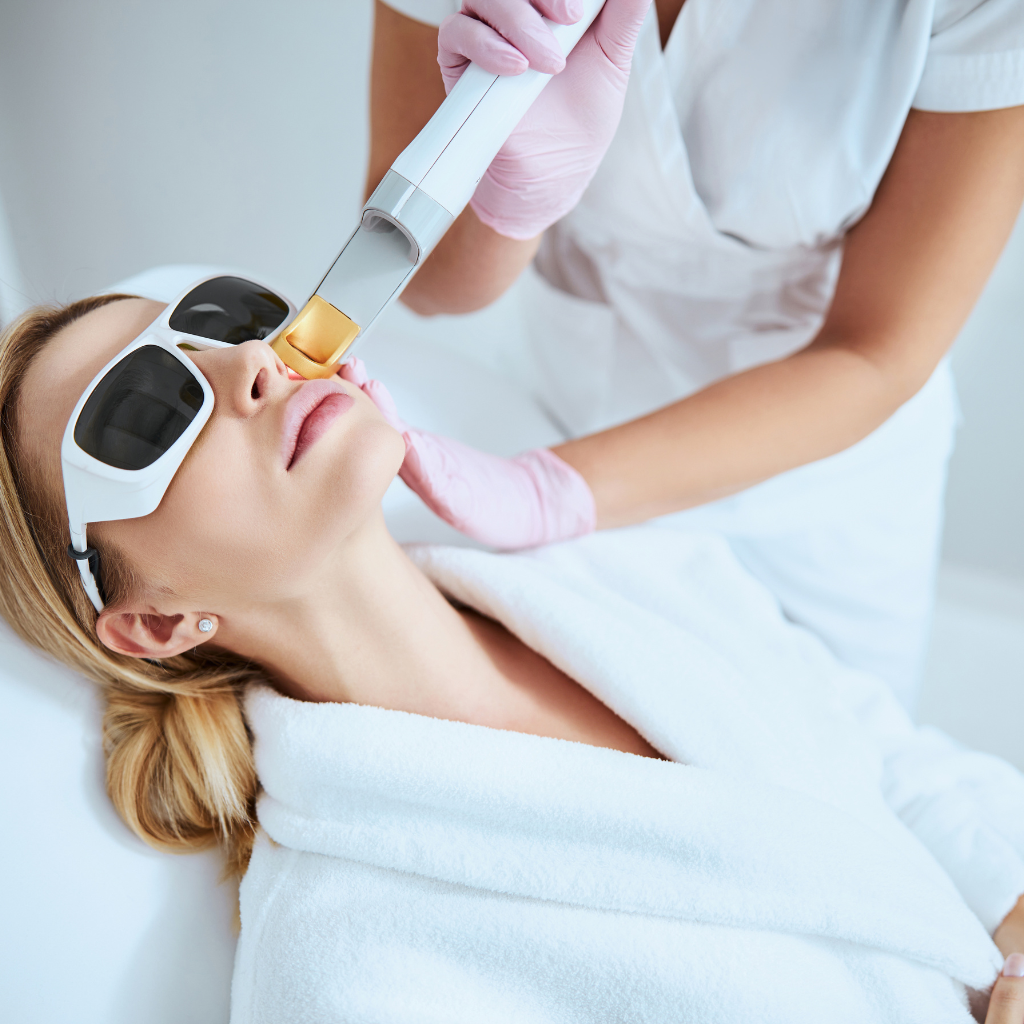
CO₂ Laser

Fractional CO₂ laser may be considered for selected scars. Possible side effects include temporary redness and changes in skin colour. Keloids may recur.

Fractional Drug Delivery

Fractional CO₂ laser may be considered for selected scars. Possible side effects include temporary redness and changes in skin colour. Keloids may recur.


Information to discuss with your clinician

Questions About Keloid Treatment

Our Latest Blogs